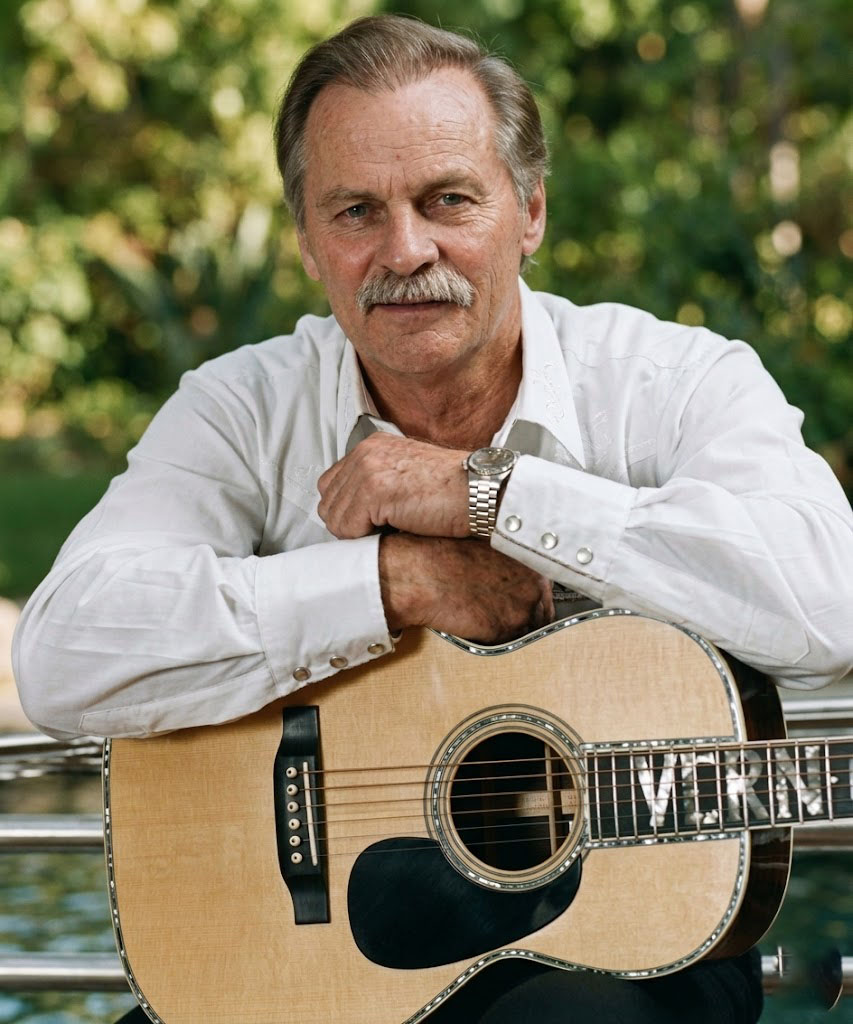
A MAN WALKED INTO A BAR AND ASKED THE BARTENDER TO KEEP POURING — THEN VERN GOSDIN TURNED THAT LONELINESS INTO A SONG PEOPLE STILL CARRY HOME AT 2 A.M…
There are country songs people dance to.
Then there are the ones people sit with in silence long after midnight.
Vern Gosdin’s “Set ’Em Up Joe” belonged to the second kind.
The song never pretended heartbreak was dramatic. It never reached for shattered glass or desperate apologies. Instead, it stayed inside a dim barroom where a man kept asking for another drink because going home felt harder than staying still.
That quiet honesty became the reason listeners never forgot it.
Gosdin understood something many singers missed: heartbreak changes with time.
At first, it burns.
Later, it barely speaks at all.
He sang the song like someone who already knew that.
Not polished. Not theatrical.
Just tired in all the ways real loneliness sounds tired.
LATE NIGHT COUNTRY
By the time “Set ’Em Up Joe” reached audiences in the late 1980s, Vern Gosdin already carried the reputation many country fans still call unmatched. They simply called him “The Voice.”
Not because he sang louder than anyone else.
Because he sounded believable.
His records never chased perfection. They chased recognition — the kind that makes a stranger pause and think, “I’ve felt that too.” Songs like “Chiseled In Stone” and “Do You Believe Me Now” built that reputation slowly, one lonely listener at a time.
But “Set ’Em Up Joe” hit differently.
The story inside it felt painfully ordinary: a man sitting at a bar, asking the bartender to keep the drinks coming while old memories drifted through the room beside him. There was no life-changing revelation waiting at the end.
Only endurance.
And that was exactly why people believed every word.
Country music has always lived around bars, jukeboxes, and broken hearts. But Gosdin approached those spaces differently. He never treated loneliness like entertainment.
He treated it like weather.
Something people simply learned to survive.
When he sang about whiskey and memory, it did not sound reckless or glamorous. It sounded familiar. The kind of familiar that settles into a room after everyone else has gone home.
That was the power of his voice.
He rarely pushed emotion too hard. Instead, he held it back just enough to let the listener meet him halfway. A softer line carried more weight than a scream ever could.
And listeners heard themselves inside those pauses.
THE EMPTY STOOL
What made Vern Gosdin unforgettable was not sadness alone.
It was restraint.
He understood that most heartbreak does not happen during dramatic moments. It happens afterward. Quietly. In parked cars. In kitchens after midnight. In bars where someone keeps staring at the same half-empty glass because they are not ready for the night to end.
That is the world “Set ’Em Up Joe” lived in.
A lonely man requesting one more song.
One more round.
One more excuse to stay where the memories still sounded close.
Listeners recognized that feeling immediately because most people have lived some version of it. Maybe after divorce. Maybe after loss. Maybe after a goodbye they never fully recovered from.
The details change.
The silence does not.
And Gosdin sang directly into that silence.
Decades later, the song still finds people in the same places it always did. Late drives. Empty apartments. Neon bars glowing against rain-soaked windows. Somewhere around two in the morning when the world grows quiet enough for old feelings to return.
His voice still waits there.
Patient.
Weathered.
Familiar.
Like an old friend who already knows why you walked in before you say a single word.
That may have been Vern Gosdin’s greatest gift — not making heartbreak disappear, but making people feel less alone while carrying it…