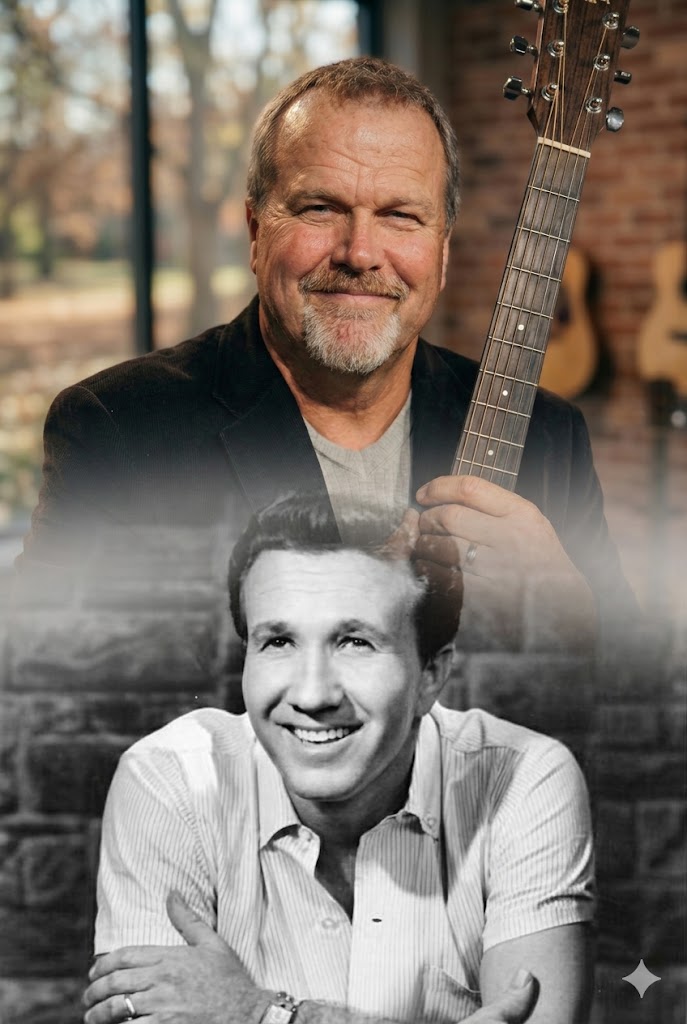
A BROKEN SOUND. A COUNTRY HIT. AND THE MARTY ROBBINS SONG HIS SON RONNY COULD NEVER LEAVE BEHIND…
In 1961, “Don’t Worry” was supposed to be another Marty Robbins recording session, until a faulty channel turned one bass solo into music history.
The mistake should have been erased.
It wasn’t.
Inside Bradley Studios in Nashville, Grady Martin’s bass suddenly came through rough, buzzing, and wrong. The sound was not polished. It was not clean. It did not belong to the careful shape of country music at that time.
Grady hated it.
Others thought the take had been damaged.
But producer Don Law heard something hiding inside the accident. Marty Robbins heard it too. Instead of stopping the tape and fixing the problem, they let the broken sound stay.
That choice changed the song.
And in time, it helped change music.
“Don’t Worry” became a No. 1 country hit and stayed there for ten weeks. But the chart success is only part of the story. The deeper legacy lives in the strange distorted tone that slipped into the record by accident and later helped inspire the fuzz sound that would shape rock and roll.
A mistake became a doorway.
Most people remember Marty Robbins through the wide-open drama of “El Paso.” Others found him years later through the steady Western tension of “Big Iron.” Those songs carry his name across generations, from old radios to new listeners.
But for Ronny Robbins, one song kept reaching back.
“Don’t Worry.”
When Ronny steps on stage and sings it, he is not only revisiting a hit. He is returning to the moment when his father chose to trust something imperfect. That choice says as much about Marty Robbins as any polished note he ever sang.
Because country music has always known what to do with broken things.
Broken hearts.
Broken plans.
Broken voices trying to stay steady.
But this was different. This was a broken sound itself, left in the middle of a record for the whole world to hear. It buzzed through the song like a scar that refused to be hidden, and somehow, that scar gave the music another kind of life.
No one planned it.
That is what makes it linger.
The song itself was gentle, built around heartache and reassurance, the kind of pain people try to soften when they speak. Then came that strange instrumental break, rough and restless, as if the hidden ache inside the lyric had finally found its own voice.
It was not pretty in the usual way.
It was honest.
Marty Robbins could have demanded perfection. A singer with his gift could have played it safe, protected the recording, and kept the sound smooth from beginning to end. Instead, he allowed the flaw to remain.
That small decision carried quiet courage.
Ronny Robbins seems to understand that. Each time he brings “Don’t Worry” back to an audience, he keeps more than a melody alive. He keeps alive the story of a room where something went wrong, and one man was willing to listen before calling it a failure.
That is the inheritance inside the song.
Not just fame.
Not just history.
A way of hearing.
For fans, “Don’t Worry” is a country classic with a strange sound tucked inside it. For Ronny, it is something closer to a conversation across time, a reminder that his father did not only sing beautiful songs.
He recognized beauty when it arrived damaged.
Sometimes the thing that breaks the silence is not the mistake we hide, but the one we are brave enough to leave in…